
How to choose a stateroom
The four stateroom categories, what the price difference really buys, and why deck position matters as much as room size.
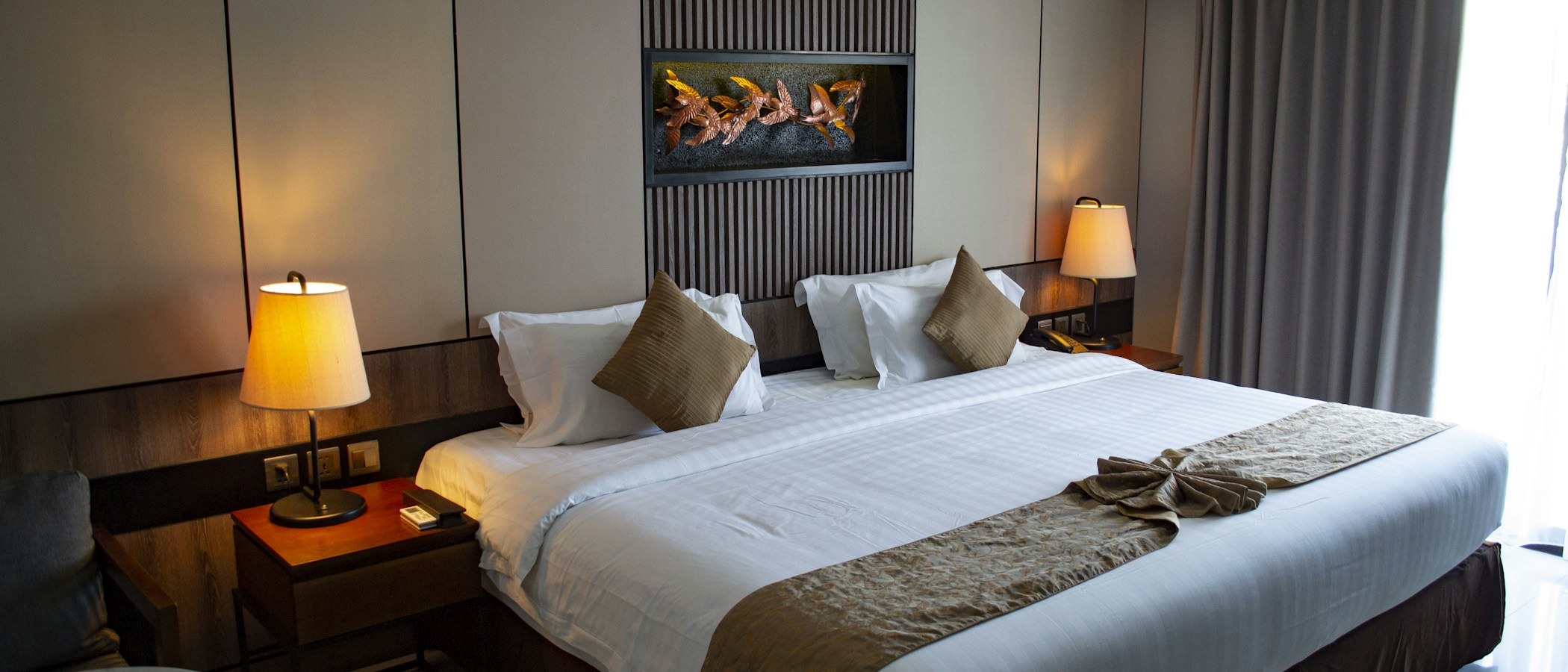
Cruise lines market dozens of sub-categories, but every ocean ship boils down to four fundamental stateroom types. Choosing the right one comes down to three practical questions: do you need natural daylight, do you want private outdoor deck space, and how sensitive are you to ship movement?
The four core stateroom types
Interior stateroom
No window. Interior cabins are the best value on any vessel, featuring the exact same king or twin beds, private en-suite bathroom, flat-screen television, and daily stateroom steward service as higher categories. They offer pitch-black darkness, which deep sleepers love and others find disorienting without an alarm clock. A smart choice if you spend your waking hours exploring ports, lounging by the pool, or enjoying evening shows.
Oceanview stateroom
Features a picture window or porthole looking out onto the sea. While the glass does not open, natural sunlight makes the room feel considerably more open and lets you check harbor arrivals and weather at a glance. On lower promenade decks, some oceanview rooms may have lifeboats partially outside the glass; deck plans clearly label these as "obstructed view" at discounted fares.
Balcony stateroom
Includes floor-to-ceiling glass doors opening onto a private veranda with patio chairs and a drink table. This is the most popular upgrade on warm-weather Caribbean sailings and scenic Alaska glacier itineraries. If you enjoy morning coffee while gliding past tropical islands or watching glaciers calve from your own private railing, a balcony is worth every penny.
Suite
Offers substantial square footage, a separate living area, a walk-in closet, an upgraded bathroom with a full tub, and dedicated perks such as priority embarkation, private lounge or restaurant access, butler service, and complimentary laundry. Suites provide premium comfort, but verify which specific amenities are included with your category before paying the premium.
Stateroom position and motion
A cruise ship pivots around its center point, much like a playground see-saw:
- Midship, lower decks: The calmest, steadiest ride on the entire ship. If you or family members are prone to motion sickness, booking a midship room on Decks 2 through 6 provides maximum comfort.
- Forward (Bow): The front of the ship experiences the most up-and-down pitching motion in heavy swells. You may also hear the bow thrusters and anchor chain rumble early on port mornings.
- Aft (Stern): The rear offers sweeping, mesmerizing views of the ship's white wake. However, aft cabins can experience slight engine vibration during harbor docking maneuvers.
- High decks: Closest to the Lido buffet, sundeck, and pools, but subject to more side-to-side sway during rough sea conditions.
What is directly above and below your room?
Before confirming a room number, always consult the ship's public deck plans:
- The quietest location: A stateroom sandwiched between other residential cabin decks both above and below.
- Potential noise zones: Staterooms situated directly underneath the pool deck (where crew members arrange deck chairs early at 6:00 am), directly over the main theater or nightclub (where bass echoes through late midnight), or adjacent to busy passenger elevator lobbies.
Guarantee staterooms (GTY)
A "guarantee" fare lets you book a guaranteed stateroom category (e.g., Guaranteed Balcony) at a lower rate, while allowing the cruise line to assign your specific stateroom number closer to departure.
You will never receive a lower category than you paid for and might receive a complimentary upgrade to a higher deck or mini-suite. The trade-off is giving up control over deck location. If you require a midship room for seasickness or need adjacent cabins for your family, avoid guarantee fares and pick your exact room assignment on the deck map.